

49% of Gen Zers Avoid Dancing Due to Fear of Social Media Virality, A Study Claims
- Michele
- 23 October 2026, Friday

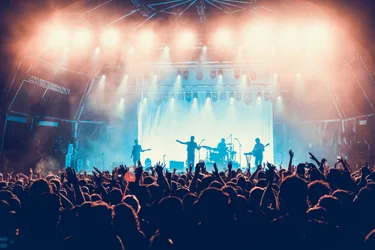
Social media has made going viral an aspiration for some, but for others, the prospect of ending up in someone else's video is a major source of anxiety. A new LifeStance study examines how this fear affects people's mental health, their willingness to go out, and their ability to be themselves in public. We wonder: what are the implications for artists and live events?
How Fear of Going Viral Affects People's Social Lives
Every day, thousands of content pieces go viral, some on a smaller scale, others on a much greater one. Some are forgotten as soon as they’re swiped away from our timelines and news feeds, while others remain in circulation for a long time and are repurposed into new content again and again.
Influencer culture, the nature of social media, and how it has come to be – perhaps not essential, but certainly quite important for marketing – has sparked a desire, sometimes even a sense of urgency, to go viral, at least to some extent. Countless musicians, artists across all disciplines, and content creators are wishing for their first viral moment and the domino effect they hope will follow. And they are putting a great deal of effort into promoting their content to make it happen.
But there’s also a different side to the situation, one that appears to have a psychologically damaging and behavior-distorting effect – at least according to a new study by LifeStance. The aim of the survey, the healthcare company says, is to examine and put into perspective “how the fear of becoming someone else’s social media content affects mental health, influencing everything from a person’s ability to relax and be themselves in public to their willingness to attend events and engage socially.” The findings are striking.
72% of Gen Zers’ Desire to Attend an Event or Step Outside the House Affected
The prospect of being filmed, posted, and seeing oneself go viral is a major source of anxiety among a significant majority of the 1,000 US-based survey participants, most notably among members of Gen Z. So much so that 74% of surveyed Gen Zers say concerns about being recorded and shared on social media affect their ability to enjoy the present moment, while 72% say it affects their desire to step outside or to attend an event.
These concerns manifest in the ways people behave and express themselves in public and elsewhere. Nearly half of US-based Gen Z respondents say they avoid dancing because of the possibility of being filmed, while 43% hold back their emotions or opinions and 38% avoid acting silly.
Across generations, 30% say they avoid dancing, 31% avoid expressing emotions or opinions, and 29% are afraid to act silly. Nearly half of respondents agree the possibility of becoming online content has reduced their ability to relax and be themselves in public, while 48% say these worries affect their desire to leave the house or attend an event.
In total, every fifth person has skipped a get-together with friends at some point, while nearly one in five has stayed away from bars or nightlife. In light of the “loneliness epidemic,” these figures and the underlying factors are a serious cause for concern.
There’s also evidence that worries surrounding the mere possibility of going viral follow people back home, too. Nearly half of those surveyed report experiencing effects on their mood on a weekly basis, while 44% say it affects their self-esteem, 43% their sleep, and 42% their level of anxiety.
Dr. Jennifer Park, Vice President at LifeStance Health, says: “While it was once associated with ‘FOMO,’ or the fear of missing out, social media is now contributing to a different concern: the fear that everyday behaviors and experiences may be captured and shared online. This fear can make it more difficult for individuals to be fully present or even feel comfortable leaving the house. Over time, these concerns can create barriers to social connection and belonging and increase feelings of isolation and loneliness, which can contribute to poorer mental health outcomes.”
What do These Numbers Mean for Artists?
Before drawing any conclusions, it is vital to emphasize that these findings are based on just one survey on the topic. Given the relatively small sample size, these findings do not reflect U.S. society as a whole, nor do they reflect the rest of the world with its diverse regions and music niches.
In addition, different legal frameworks apply around the world. For example, filming other people in public without their consent and posting the footage online is generally not prohibited in the U.S., whereas in the EU, GDPR laws protect people from having their images shared on social media without their approval. That doesn’t mean they’re immune, since going viral is hard to undo, but it at least establishes a legal framework designed to protect privacy.
But if such worries are prevalent among so many people, it is safe to say that they’re also affecting people who have a public-facing career or hobby where visibility and virality tend to be something that’s intentionally pursued. That, of course, includes music.
There are many ways to look at the situation. If you are an artist looking to build an audience but are equally afraid of going viral, you’re not alone. In times when numbers and followers are constantly touted as the most important factors, it’s easy to succumb to the pressure of self-promotion on social media, even if it causes personal discomfort.
The good news is that you don’t absolutely have to if you don’t want to. There’s nothing wrong with not wanting to build an online presence, even if everyone seems to be saying the opposite. There are other ways to promote your music beyond social media, or at least not primarily through it. Non-digital marketing is, in fact, becoming more popular again, and its more personal nature can be way better for authentic community-building rather than collecting abstract numbers that don’t translate into actual listeners.
The study is also relevant for performing artists, including DJs, who want their audience to feel comfortable. Lessons from Berlin show that placing stickers over people’s phone camera lenses helps attendees feel much more relaxed and enjoy the party without having to worry too much about getting filmed. Of course, such incidents can still happen, but bouncers and staff are generally alert to these situations and tend to take it seriously when someone peels off their stickers.
If you’re not from a city or scene where this practice is common, consider introducing it yourself. Of course, this might upset some people, since attendees typically want to take photos and videos at events. We don’t want to simply recommend this approach without considering the trade-offs.
But if you’re willing to give it a try, it could prove worthwhile and even make your show much more memorable for audience members who would otherwise find themselves distracted by their phones. You can also start by testing the waters with a newsletter or a social media survey to gauge what your fans prefer.
Making Room for More Authentic Experiences
The fear of becoming a social media sensation highlights a growing tension between online visibility and the freedom to be oneself in public. For artists, this is a reminder that building a connection with an audience doesn't have to revolve around going viral, while event organizers can help create spaces where people feel comfortable being themselves without worrying about suddenly ending up on everyone’s timelines.
Simple measures, such as camera-covering stickers or clearly communicated filming policies, can help address these concerns. Ultimately, social media can be a valuable tool for music promotion, but it shouldn't come at the expense of artists’ mental health or the experiences that bring people together in the first place. Finding a balance between sharing a moment and actually living it may be increasingly important for both artists and their audiences.
Ready to get your music out there?
Distribute your music to the widest range of streaming platforms and shops worldwide.

Michele is a Berlin-based writer passionate about music in its many forms, from soulful house, groovy techno, and breaky jungle/drum & bass to alternative rock, dark wave, and beyond. With experience in production, journalism, and DJing, they engage with the culture of sound from multiple perspectives. Their current topics of interest include club culture, music discovery & curation, dance, and the ways music affects perception & feeling. Michele writes in English.


