

Analyzing Your Instagram Performance as a Musician: Tools & Metrics
- Martina
- 07 November 2025, Friday

If you’re a musician using Instagram to promote your songs, engage fans, and grow your audience, understanding your performance is essential. In this guide, we’ll explore the key metrics that matter for artists, the best tools (free and paid) you can use, and how to turn insights into action. Because with better data comes smarter decisions — which means more fans, more engagement, and more meaningful growth.
Why analysing Instagram performance matters for musicians
For independent artists and creators, Instagram has become one of the most powerful digital spaces in the world, allowing them to share and promote their art, connect with fans, and reach new listeners far beyond their local scene. But while uploading Reels, Stories, and posts can be exciting, using Instagram effectively goes well beyond simply posting content.
As of early 2025, the platform has approximately 2 billion monthly active users. Of course, not all are creators—some are simply individuals using the platform to view and enjoy others’ content. There is no official number that precisely shows how many Instagram creators there are. However, estimates suggest that a large portion of the total user base is creators. According to a major influencer study in the US from 2023, out of 103.7 million US-based Instagram users, 10.2 million can be considered influencers. That amounts to roughly 9.8% of the total Instagram user base in the country at the time.
As you can imagine, that’s a truly staggering amount of content being uploaded every day. In a feed that literally never stops scrolling, standing out as an independent artist can be really challenging. To succeed on Instagram – and other streaming platforms – you need to gain insights into your performance. This is where Instagram analytics come in. By measuring and interpreting your performance, you’re able to understand:
What’s working – which posts spark comments, shares, or saves.
What’s not working – which formats, narratives, or messages fall flat.
Who’s listening – and whether they match the audience you’re trying to reach.
How to grow – and convert followers into real fans of your music.
When you consistently analyze your Instagram performance, you unlock real advantages:
1. Deeper Fan Engagement
Analytics reveal what your audience genuinely enjoys – like which posts spark conversations, which Reels get shared, and which Stories keep viewers glued to their screens. This knowledge helps you produce more of what your audience truly wants to see – and what makes them feel more connected to you – instead of guessing in the dark.
2. Smarter and More Efficient Growth
Tracking follower trends helps you see which posts attract new listeners and whether they fit your target demographic. This is crucial because growth just for the sake of growth means really little. Meanwhile, growth with purpose can help you build a genuine fanbase that cares about your music.
3. Tangible Results
Perhaps most importantly, analytics help you track conversions – the actions that matter most to your music career. They reveal whether people are clicking your link-in-bio to stream your new release, checking your website for tour dates, or pre-saving your next single. Without tracking those actions, you’re essentially flying blind.
4. Data-driven Creativity
Beyond these direct benefits listed above, Instagram analytics help you make smarter content decisions overall. You'll discover your optimal posting times (when your specific audience is most active and engaged), learn which content types perform best for your brand, and discover which hashtags actually attract new listeners to your profile.
Essentially, analytics allows you to, instead of posting randomly and hoping for the best, make decisions based on real evidence of what works for your unique audience.
Key Instagram metrics every musician should track
Now that we’ve explored why Instagram analytics matter, let’s look at what to measure. These are the metrics that reveal whether your content is connecting, converting, and growing your audience. We’ll break down each one, explain why it’s important, and show how to interpret it through a musician’s lens.
1. Engagement Rate
Engagement rate is the percentage of your audience that actively interacts with your content through likes, comments, shares, and saves. This metric matters far more than follower count because it reveals genuine interest. An artist with 5,000 active, engaged followers will see better results than one with 50,000 passive ones.
For musicians, high engagement rates indicate that your content resonates emotionally with your audience. When fans comment on your post, reshare your video, or save your Reel, what they're signaling is that your content adds value to their lives.
Use this metric to test what kinds of content get the most response, whether that’s live-performance clips, behind-the-scenes studio posts, fan Q&A, or teaser videos for your next single. Aim for an engagement rate between 1-5% on posts and higher on Reels, though this varies by account size.
2. Reach & Impressions
Reach shows how many unique accounts saw your content, while impressions count total views (including multiple views from the same person). The gap between these numbers tells an interesting story.
If impressions significantly exceed reach, people are viewing your content multiple times, which is a strong indicator of compelling content. However, if the reach is too low, it could be a sign you need fresh content or to experiment with new formats. If a post has high reach but low engagement, you might be reaching many people who aren’t your core fans (or the content doesn’t connect).
For musicians, reach is crucial for discovery. When your reach extends beyond your follower count (especially through Reels and Explore page features), you're accessing new potential fans. Track which content types deliver the highest impressions and reach-to-follower ratios. That tells you which formats Instagram favours and which formats your fans respond to.
3. Follower Growth & Audience Demographics
Instagram provides detailed demographic data about your followers: age ranges, gender distribution, top locations, and most active times. For musicians, this information is gold. Are you attracting the right age demographic for your genre? Is your music resonating in cities where you're planning to tour? Are your followers actually in countries where you're distributing music?
Use demographic insights to shape your content strategy – tailor messaging, choose touring locations, select release timing, etc. If you notice a substantial concentration of followers in specific cities, consider booking shows there. If your audience skews younger than expected, adjust your content tone accordingly.
Instagram also allows you to monitor the change in your follower count over time. Follower growth shows you’re gaining momentum. If you’re gaining followers steadily, you might be doing something right. If growth stalls, your content or strategy might need adjustment.
4. Profile Visits & Website Link Clicks
Once you understand who’s following you, the next step is tracking what actions they take after discovering you. Profile visits show how many people viewed your profile. This metric indicates curiosity, meaning people want to learn more about you after seeing your content.
Meanwhile, website link clicks (or link-in-bio clicks) showcase how many people clicked the link in your bio (often to your pre-save page, latest release, merch store, etc.). This metric suggests intent – users are taking the next step toward becoming true fans.
If you get lots of profile visits but few link clicks, your bio/link might not be compelling, or your call-to-action (CTA) needs optimization. If both are low, your content might not be persuasive enough to drive curiosity.
Use your link in bio wisely. Track which content drives clicks (Stories with link sticker, Reels, posts). Then replicate and scale the formats that work.
5. Content Performance: Reels vs. Stories vs. Posts
Instagram analytics allow you to compare how different types of Instagram content (Reels, Stories, Video, Posts, Live) perform. The platform’s algorithm favors different content types at different times, but currently, Reels dominate discovery. However, that doesn't mean you should abandon other formats right away. Stories build daily intimacy with existing fans, while carousel posts can provide deeper value.
Track performance across formats to understand where to invest your time. Maybe your tutorial Reels attract new followers, your Stories convert them into engaged fans, and your carousel posts about your creative process generate the most saves. Each format serves a different purpose in your promotional funnel.
6. Hashtag & Audio Performance (Musician-specific)
Hashtags and audio choices determine how discoverable your content is. As a musician, you have a unique advantage: you can create audio content that others use. When your sound becomes a trending audio on Reels, your reach multiplies exponentially. Track which of your songs or sounds get used by others—this is organic viral growth at its finest.
Similarly, monitor which hashtags actually drive discovery. Don't just use popular hashtags like #music (too broad, too competitive). Test niche hashtags like #indiefolk or #bedroomproducer, and track which ones bring engaged followers rather than bots.
Especially for music-makers, the sound you use and the hashtags you choose can push you into new zones (Explore tab, Reels feed) and attract new potential fans. If a Reel using trending audio gets significantly more reach, you might replicate that strategy. If a hashtag used in past posts helped bring in non-followers, keep using it (and testing similar ones).
Metrics That Matter Most for Emerging Artists
If you're just starting out, focus on these core metrics:
Engagement rate (shows genuine connection)
Reach growth (indicates discovery potential)
Profile visits (measures curiosity about your music)
Website clicks (tracks conversion to streaming platforms)
Reels plays (shows content virality potential)
Don't obsess over follower count yet. Remember that 10 engaged fans who stream your music and attend your shows matter infinitely more than 1,000 passive followers who never interact with your content.
Best tools to analyse Instagram performance (free & paid)
Now that you’re clear on what to measure, let's explore the tools that help you track them. We'll start with free, native options before diving into third-party platforms that offer deeper insights.
Instagram Insights
Best for: Independent artists getting started with Instagram analytics
Instagram Insights is the built-in analytics tool available to all business and creator accounts. To access it, you'll need to convert your personal account to a professional one (don't worry, it's free and reversible, and you can find out how in our article on optimizing your Instagram profile as a musician). Insights provides up to 90 days of data on your posts, Stories, Reels, and overall account performance.
The strengths of Instagram Insights include real-time data, demographic information about your followers, and basic engagement metrics. You can see which posts performed best, when your audience is most active, and how many accounts your content reached. For emerging musicians on a tight budget, Insights offers everything needed to start understanding your audience, identifying what resonates, and making data-driven decisions.
However, it’s not without its limitations. The 90-day data window (or 30 for Live videos) means you can't track long-term trends or year-over-year growth. What’s more, the data available is not as detailed as what is offered by more robust third-party analytics tools. For example, you might only see the top five cities for your followers, not every city.
Additionally, the interface can be clunky when comparing multiple posts, and you can only view Instagram Insights on the mobile app. You also can't export data easily for presentations or reports. And competitor analysis? Unfortunately, that’s not possible with Instagram Insights - this tool only shows your own performance.
Music Business Suite
Best for: Artists managing both Instagram and Facebook
Meta Business Suite combines Instagram and Facebook analytics in one convenient dashboard. If you're managing both platforms (which many musicians do), this tool streamlines your workflow. It offers similar metrics to Instagram Insights but with better data visualization and the ability to schedule posts in advance.
For musicians managing their own social media, Business Suite's scheduling feature is invaluable. You can batch-create content during creative sessions and schedule it for optimal posting times identified through your analytics. The unified dashboard also helps you understand how your Instagram and Facebook audiences differ or overlap.
That said, the tool isn’t perfect. It can be buggy, overwhelming for beginners, and slow to load at times. The interface hides some features behind multiple menus, and support is limited. But for artists seeking a unified workspace to manage Instagram and Facebook together, Meta Business Suite is a solid and free upgrade from Insights.
Third-Party Tools: Deeper Insights and Time-Savers
While Instagram’s native tools are great for day-to-day tracking, third-party analytics platforms take things to the next level, offering long-term trend data, deeper insights, automation, and competitor benchmarking. Here's a breakdown of the best options:
- Iconosquare specializes in Instagram and social media analytics with beautifully designed dashboards that visualize data clearly. It tracks all core metrics, but goes further by showing your best posting times, audience behavior patterns, and content performance trends over time. The platform offers hashtag tracking, competitor analysis, and automated reporting. Pricing starts at around $39/month, making it suitable for artists ready to invest in professional tools. Best for musicians who want professional-grade insights and reporting.
- Later is primarily known for its drag-and-drop content schedule, but its analytics features are robust. The platform's visual content calendar helps musicians plan cohesive feed aesthetics while its analytics show which content types drive the most engagement. Later's free plan includes basic analytics and scheduling; paid plans start at $25/month for deeper insights, including engagement breakdowns and story performance. It's particularly useful for musicians who value visual planning alongside performance tracking. Best for visual planners and content creators.
- Sprout Social is an enterprise-level platform, but it scales down well for individual creators. Its social listening tools can track when people mention your band name without tagging you, and its engagement tools help you respond to comments efficiently. The analytics are comprehensive, covering everything from post performance to audience demographics. However, it’s definitely costly in comparison to other tools. Pricing starts at $199/month, so it's best suited for established artists or those with label support. Best for established artists or labels.
- Hootsuite offers similar functionality to Sprout Social with slightly more affordable pricing (starting at $99/month). Its strength lies in managing multiple social accounts from one dashboard. For musicians juggling Instagram, Twitter, TikTok, and Facebook, Hootsuite's unified inbox and scheduling features save significant time. The analytics are solid, if not as detailed as dedicated Instagram analytics tools. Best for musicians managing multiple platforms.
- Social Blade provides free, basic Instagram analytics without requiring you to connect your account. Simply enter any Instagram username to see follower growth trends, estimated earnings (for very large accounts), and engagement comparisons. It's not very comprehensive, but it's perfect for tracking competitors or getting a quick read on growth trends. The free version covers the basics and is sufficient for most musicians. Premium features start at $4.50/month. Best for quick competitor checks and growth snapshots.
- Metricool offers a strong balance between affordability and functionality, with a free plan that includes competitor analysis and basic analytics. Paid plans (starting at $18/month) unlock advanced scheduling, hashtag analytics, and detailed Instagram Stories analytics. For emerging musicians, Metricool's competitive pricing and comprehensive free tier make it an excellent starting point for third-party analytics. Best for artists seeking an affordable all-in-one solution.
Practical tip: When choosing a tool, consider your current needs and budget. Start with free/low-cost tools (Instagram Insights, Later, Metricool). As your career grows and Instagram becomes a more significant promotional channel, you can consider shifting to platforms that save time and provide deeper insights. Many musicians find success combining a free native tool with one affordable third-party platform for enhanced features.
How to turn analytics into action
The reality is that collecting data is meaningless without action. Here's how to translate analytics into tangible growth strategies for your music career.
1. Plan Your Content Calendar Based on Data
Review your analytics monthly to identify patterns. Which days of the week generate the most engagement? What time do your posts perform best? Use this information to build a content calendar that aligns with when your audience is actually paying attention. If your insights show that Tuesday and Thursday evenings drive the most engagement, prioritize your best content for those time slots.
Don't just look at timing; analyze content themes too. Maybe your audience loves studio day content but ignores promotional posts about streaming numbers. Your analytics are telling you what story your fans want you to tell. Listen to them and adjust your calendar accordingly.
Pro tip: Combine data with intuition. Post your most personal or story-driven content during high-engagement windows to maximize both reach and emotional connection.
2. Identify Your Top-Performing Content Themes
Dig into your top 10–20 posts across different formats from the last quarter. What do they have in common? Maybe they're all behind-the-scenes footage from recording sessions. Maybe they're acoustic versions of your songs. Maybe they're personal stories about what inspired specific lyrics. These patterns reveal what makes your audience resonate with your content.
Once you've identified the most effective themes, double down on them. If tutorial content about your production process consistently outperforms everything else, consider creating a tutorial series. If your audience enjoys hearing the stories behind your songs, develop a weekly Story series sharing your lyrics. Trust us when we say that your top-performing content is essentially the roadmap to more success.
3. Optimize Posting Times and Engagement Tactics
Instagram Insights shows when your followers are most active, but that's just the starting point. Try posting at different times within those active windows to see when fans are most likely to interact.
For example, if your audience is active between 6–9 PM, test posts at 6 PM, 7:30 PM, and 8:45 PM. You might discover that while your audience is active at 7 PM, they're more willing to engage with music content at 8:30 PM after dinner.
Similarly, experiment with different engagement tactics. If you notice that posts asking questions in captions generate more comments, incorporate questions regularly. If Reels with text overlays outperform those without, make text overlays your standard. These small details can add up, and over time, consistent optimization might compound into significant growth.
4. Use A/B Testing to Refine Reels and Hashtags
It’s best to treat your content like an ongoing creative experiment. A/B testing allows you to isolate variables and learn what really drives performance. Try posting similar Reels with different hooks to see which captures attention better. Test different hashtag strategies: one post with 10 highly targeted hashtags versus another with 30 mixed hashtags. Track which approach drives more reach and engagement.
When A/B testing, change only one variable at a time. If you simultaneously change your hook, hashtags, and posting time, you won't know which factor drove different results. Patience and methodical testing reveal what truly works for your unique audience.
Instagram Analytics Tools: Conclusion
Understanding your Instagram performance isn’t about chasing numbers — it’s about listening to your audience through data. Every metric offers insight into what your fans value, what holds their attention, and what inspires them to support your music.
The good news? You don’t need expensive tools or marketing expertise to start. Instagram Insights already gives you enough to make smarter creative choices. Spend just 15 minutes a week reviewing your top posts and audience activity times. Spot patterns, test ideas, and refine your approach.
As your career develops, you can level up with third-party tools for deeper insights and automation, but they’re optional enhancements, not essentials. What truly matters is building a habit of regular analysis and creative adaptation.
Curious to explore more about Instagram for musicians? Check out our articles on viral reels for musicians and Instagram Live for musicians.
Are you just beginning your music journey? Find out how to upload music to Instagram.
FAQs

Ready to get your music out there?
Distribute your music to the widest range of streaming platforms and shops worldwide.
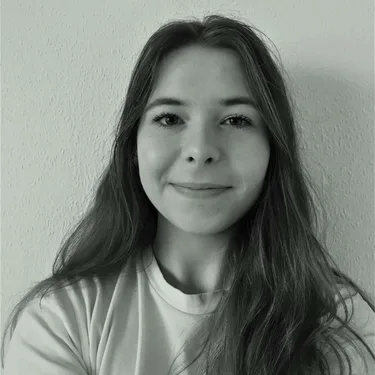
Martina is a Berlin-based music writer and digital content specialist. She started playing the violin at age six and spent ten years immersed in classical music. Today, she writes about all things music, with a particular interest in the complexities of the music business, streaming, and artist fairness.


